Table of Contents
There are certain organisms and cell types where the Golgi body absent in its cell or its presence is almost negligible
The Golgi body is also referred to as the Golgi apparatus or the Golgi complex The structure is involved in the modification, as well as sorting and packaging, of both proteins and lipids for export out of the cell or for use within the cell.
Although, there are some organisms and cell types where the presence of the Golgi body is very much negligible.
In this post, I will focus on describing these exceptions which are important for students preparing for NEET and for those, who has a great interest in cell biology.
What is the Golgi Body?
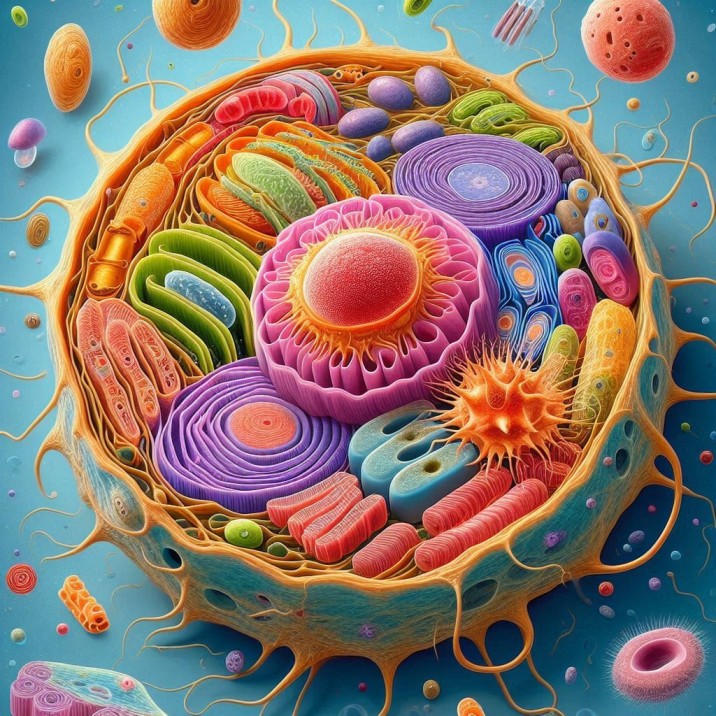
Golgi body is another membrane bound organelles that are present in most of the eukaryotic cells.
It is made up of several thin walled sacs called cisternae which are arranged in a pile-like fashion.
The primary function of the Golgi apparatus includes:
Alteration of proteins and lipids which are transferred from the endoplasmic reticulum (ER).
Transporting these molecules within the cell by packaging it in vesicles.
The synthesis of lysosomes that provides autophagy mechanism inside the cell.
But certain organs of the cell lacks this vital structure Most cells do not have the part but it is one of the key elements of a successfully functioning cell
Golgi Body Absent In ?
1. Prokaryotic Cells
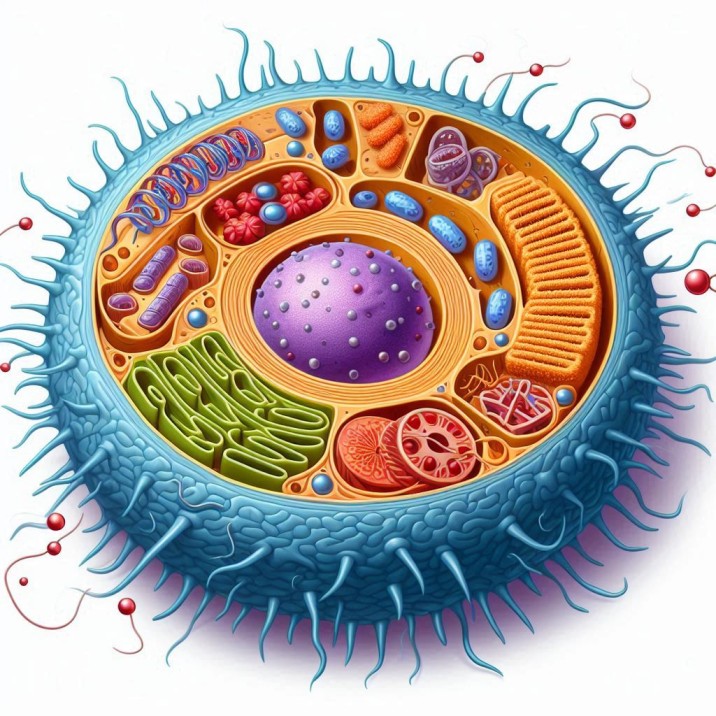
The Golgi body which is present in eukaryotic cell is totally missing in prokaryotic cell comprising bacteria and archaea.
In prokaryotes there is no cellular organelles such as the Golgi apparatus, mitochondria and nucleus among others.
However, they depend on easy body tissues for the process of their life activities.
Some of the functions carried out by the Golgi body in eukaryotes like protein sorting and secretion are performed by the plasma membrane and the cytoplasm in prokaryotes
2. Red Blood Cells (Erythrocytes)
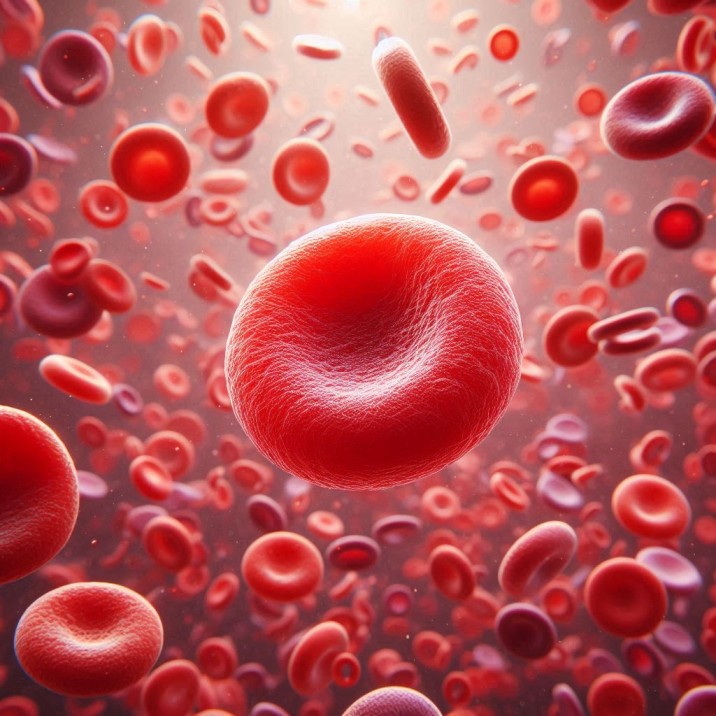
In Mammals However mature mammalian red blood cells are the exceptions of developing outlined events.
It ‘s important to note that during the maturation of erythrocytes, the cell undergoes a few changes and actually shrinks its organelles, neglecting to have a nucleus, mitochondria, and other organelles such as the Golgi apparatus.
These organelles’ losses make red blood cells contain more of the protein known as hemoglobin enhancing their role as oxygen transports.
Hence, the need for the Golgi apparatus drops in mature erythrocytes and they are in fact specialized in this function only.
3. Sperm Cells (Spermatozoa)
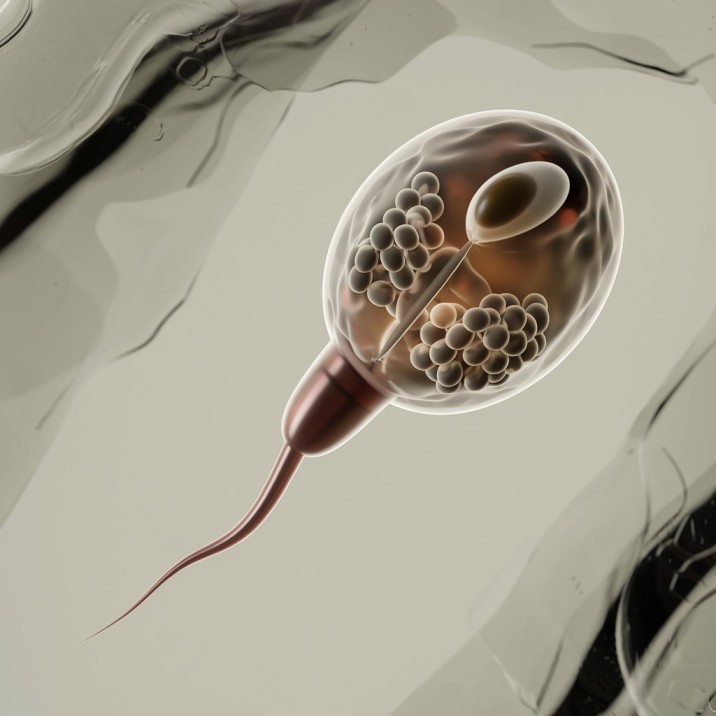
In Many Species The Golgi body is also found to be smaller and some times even absent in many mature sperms of different species.
In these cells the golgi forms the acrosome – an organelle that cap the head of the sperm and which contains enzymes needed to break through the coat of the egg during fertilisation.
When acrosome is completed, the Golgi apparatus may disintegrate which causes that sperm are functionally devoid of Golgi apparatus.
4. Certain Parasitic Protozoa
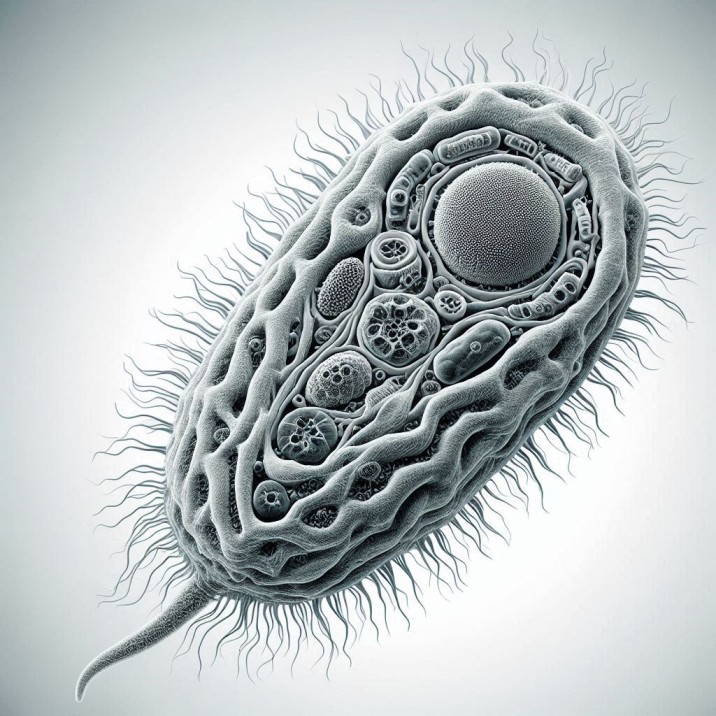
As with some parasitic protozoa which include Giardia lamblia, the Golgi apparatus would sometimes appear as not fully developed.
Such organisms consist of considerably less complicated cells that are typical for parasitic life mode of such organisms their habitats.
Such adaptations may well include the fact that they may use new pathways for protein alteration and release to the extracellular space which do not involve the Golgi apparatus
The Importance of Golgi Body Absence in NEET Exams
Especially for students preparing for competitive examinations like NEET it is important to learn about the exceptions to general biological rules.
Such questions as ‘where is the Golgi body located in a particular cell type or organisms’ or lack of such organelles in certain specimen are very likely to be asked in the NEET exams.
Sensing where there is no molecular motor, Golgi apparatus, and the reasons as to why they are absent will help you in answering such questions with precision
Conclusion
The Golgi body is an important organelle for most eukaryotic cells and their functions, but there are some cell types that absent of this organelle including prokaryotic cells, mature mammalian red blood cells, and some parasitic protozoa that show the variations of the structure and function of cells in different organisms.
It helps in enhancing the knowledge about the cell biology but it also prepares for competitive exam questions like NEET.
To get more biology knowledge, study tips and NEET exam preparations and general information about Cell Biology and other important topics, you are welcome to or website.
For a more detailed overview and concise notes on Cell structure and function, including key concepts point wise to increase your understanding check out our digital product here. Our short notes for class 11 and 12 are designed to help you excel in your biology studies and ace your exams.
FAQ
Why is the Golgi body absent in prokaryotic cells?
Prokaryotic cells, such as bacteria and archaea, lack the Golgi body because they do not have membrane-bound organelles. Functions typically carried out by the Golgi apparatus in eukaryotes, like protein sorting and secretion, are performed by the plasma membrane and cytoplasm in prokaryotes.
Why do mature red blood cells (erythrocytes) lack a Golgi body?
During maturation, mammalian red blood cells lose several organelles, including the Golgi body, to create more space for hemoglobin. This adaptation enhances their ability to transport oxygen efficiently.
Is the Golgi body present in sperm cells (spermatozoa)?
In many species, the Golgi body is either reduced in size or absent in mature sperm cells. It initially forms the acrosome, an organelle necessary for fertilization. Once the acrosome is formed, the Golgi apparatus may disintegrate, leaving the sperm without it.
Do all parasitic protozoa have a Golgi body?
No, some parasitic protozoa, such as Giardia lamblia, have an underdeveloped or absent Golgi apparatus. These organisms have evolved alternative pathways for protein modification and secretion that do not involve the Golgi body, reflecting their specialized parasitic lifestyle.
Why is it important for NEET students to know about cells without a Golgi body?
Understanding the exceptions to general biological rules, such as the absence of the Golgi body in certain cell types, is crucial for NEET exams. Questions about where the Golgi body is located or why it is absent in specific organisms are common, making this knowledge essential for accurate and precise answers.
Can you be more specific about the content of your article? After reading it, I still have some doubts. Hope you can help me.